|
Getting your Trinity Audio player ready... |
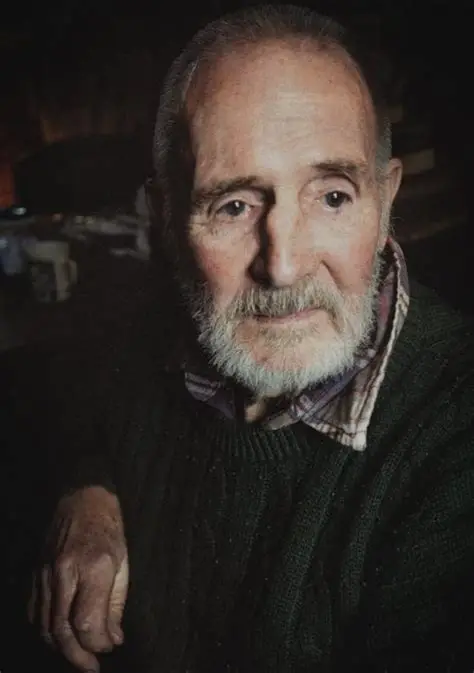
Tatamkhulu Afrika (1920–2002) was a South African poet, novelist and anti-apartheid activist whose life crossed national, cultural and political boundaries. Born in Egypt, he moved to South Africa as a young child and experienced several changes of name, identity and belonging. He served in the Second World War, spent years as a prisoner of war, opposed apartheid and produced some of his most important literary works late in life.
His poetry explored inequality, human dignity and the painful realities of South African society. His life also demonstrated how literature and political resistance could reinforce each other during a period of racial oppression.
Early Life and Education
Tatamkhulu Afrika was born Mogamed Fu’ad Nasif on December 7, 1920, in As Sallum, Egypt. His father was Arab and his mother was Turkish. His parents brought him to South Africa in 1923, but both died when he was still very young. A Methodist couple later adopted him and raised him under the name John Charlton.
His childhood involved questions of identity and belonging that continued throughout his life. When his adoptive parents eventually told him about his background, he confronted the racial classifications that shaped South African society. He later rejected the privileges associated with being classified as white and identified himself with communities subjected to racial discrimination.
Afrika attended school in South Africa and developed an interest in writing at an early age. At seventeen, he completed his first novel, Broken Earth. The book appeared in Britain in 1940, establishing an early connection between his life and literature. However, war and political circumstances interrupted his literary career for decades.
Military Service and Prisoner-of-War Experience
During the Second World War, Afrika volunteered for service in the South African military. He served in North Africa and was captured by German forces at Tobruk in 1942. He subsequently spent approximately three years as a prisoner of war in Italy and Germany.
Captivity exposed him to the harsh conditions of military imprisonment and the complicated relationships that developed among men confined together. These experiences later influenced his writing, particularly his novel Bitter Eden, which explored intimacy, survival and human relationships inside a prisoner-of-war camp.
Afrika reportedly worked on an early version of the novel during his captivity, but guards destroyed the manuscript. He eventually reconstructed the story decades later. The book appeared in 2002, shortly before his death, giving readers a fictional account shaped by his wartime experiences.
After the war, Afrika lived in what is now Namibia and spent time with an Afrikaans family. He adopted the name Jozua Joubert during this period. He worked in several occupations, including mining, bartending, shop assistance and bookkeeping, while his literary ambitions remained largely dormant.
Political Activism and Opposition to Apartheid
Afrika’s political commitment deepened as he witnessed racial segregation and the destruction of communities under apartheid. He eventually settled in District Six, a diverse Cape Town neighbourhood that became a symbol of forced removals and racial dispossession.
In 1964, he converted to Islam and adopted the name Ismail Joubert. His religious beliefs strengthened his commitment to community service and social justice. He established Al-Jihaad, an organisation that opposed apartheid and the forced removal of residents from District Six. The organisation also carried out charitable work to support disadvantaged communities.
Afrika and other members of Al-Jihaad later became involved with uMkhonto we Sizwe (MK), the armed wing of the African National Congress. This involvement connected him more directly with the broader anti-apartheid struggle.
During this period, activists gave him the name Tatamkhulu Afrika, commonly understood as “Grandfather Africa.” He adopted the name as his own. It became the identity through which readers and political allies came to know him.
In 1987, the authorities arrested Afrika and charged him with terrorism because of his political activities. He spent time in prison and received a five-year banning order that prohibited him from writing and speaking publicly. He nevertheless continued writing under the name Tatamkhulu Afrika.
His activism carried personal risks, but he remained committed to resisting racial oppression. His life linked the struggles of District Six residents with the wider movement to end apartheid.
Literary Career and Major Works
Although Afrika published a novel as a teenager, his major literary career developed much later. His first significant poetry collection, Nine Lives, appeared in 1991, when he was already in his seventies. The collection earned literary recognition and helped introduce his work to a wider audience.
He followed it with several poetry collections, including Dark Rider, Maqabane, The Lemon Tree, Turning Points, The Angel and Other Poems, and Mad Old Man Under the Morning Star. His work received several South African literary awards, including the CNA Debut Prize, the Thomas Pringle Award and the Olive Schreiner Prize for Poetry.
Afrika’s poetry examined the relationship between individuals and the political systems surrounding them. He wrote about poverty, racial inequality, community life, personal suffering and the everyday experiences of people living under apartheid. His poems often drew their power from careful observation rather than abstract political argument.
One of his best-known poems, “Nothing’s Changed,” confronts the persistence of racial inequality in South Africa. It examines how the end of formal segregation does not automatically erase the social and economic divisions created by decades of discrimination. The poem remains significant because it connects personal experience with the broader consequences of political injustice.
Afrika also wrote fiction. His novels included The Innocents, Tightrope and Bitter Eden. These works explored difficult human relationships and the effects of social and political power on private life.
The publication of Bitter Eden in 2002 marked an important point in his literary journey. The novel drew on his prisoner-of-war experience and brought a story he had carried for decades to readers. His later writing career showed that meaningful literary achievement does not always follow a conventional timeline.
Death and Legacy
Tatamkhulu Afrika died in Cape Town on December 23, 2002, aged 82. A motor vehicle struck him shortly before his death, and he died from complications arising from his injuries. His death came shortly after the publication of Bitter Eden, one of his most significant works.
Afrika left a distinctive legacy in South African literature and political history. His life challenged narrow definitions of identity, showing how a person could move across cultural, religious and political boundaries while remaining committed to justice.
His poetry preserved the experiences of people affected by apartheid and questioned the persistence of inequality. His novels also explored the emotional and psychological consequences of conflict, imprisonment and social exclusion.
Afrika’s literary achievements gained wider recognition late in his life, but they grew from experiences accumulated over many decades. His career reminds readers that writers can return to their work after long interruptions and that literature can give lasting expression to struggles that political change alone cannot resolve.
Conclusion
Tatamkhulu Afrika combined literary creativity with a sustained commitment to social justice. His experiences as a wartime prisoner, Muslim community organiser and anti-apartheid activist shaped a body of work concerned with dignity, belonging and inequality. Through poetry such as “Nothing’s Changed” and novels such as Bitter Eden, he left a lasting contribution to South African writing. His life remains an example of how personal experience, political conviction and artistic expression can come together in a powerful literary legacy.
Frequently Asked Questions
Who was Tatamkhulu Afrika?
Tatamkhulu Afrika was a South African poet, novelist and anti-apartheid activist born in Egypt in 1920. He became known for poetry that examined racial inequality and the human consequences of apartheid.
What was Tatamkhulu Afrika’s real name?
He was born Mogamed Fu’ad Nasif. During his life, he used several names, including John Charlton and Ismail Joubert, before adopting Tatamkhulu Afrika.
What is Tatamkhulu Afrika best known for?
He is best known for his poetry collection Nine Lives, his poem “Nothing’s Changed,” his novel Bitter Eden and his involvement in the anti-apartheid struggle.
How did Tatamkhulu Afrika contribute to the struggle against apartheid?
He founded Al-Jihaad, an organisation that opposed apartheid and the destruction of District Six. He later became involved with uMkhonto we Sizwe, the armed wing of the African National Congress, and faced imprisonment and restrictions because of his political activities.
When did Tatamkhulu Afrika die?
Tatamkhulu Afrika died in Cape Town on December 23, 2002, aged 82, following complications from injuries sustained in a road accident.