|
Getting your Trinity Audio player ready... |
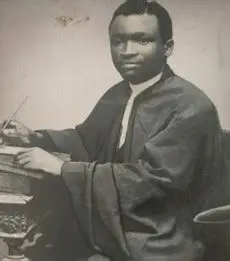
Mojola Agbebi (1860–1917) was a Nigerian Baptist minister who championed African leadership in Christianity and challenged the dominance of European missionaries over African churches. At a time when colonial attitudes often portrayed African customs as inferior, he argued that Africans should lead their own congregations, shape their worship and develop Christian institutions suited to their cultural environment.
Born David Brown Vincent in Ilesa, in present-day southwestern Nigeria, Agbebi became an influential figure in the independent church movement. He helped establish the Native Baptist Church in Lagos, founded the African Baptist Union of West Africa and promoted African identity through preaching, writing and public engagement. His work connected religious independence with a wider struggle for cultural dignity and African self-determination.
Early Life and Education
Mojola Agbebi was born on April 10, 1860, in Ilesa, in present-day Osun State, Nigeria. His birth name was David Brown Vincent. His father, George Vincent, was a Yoruba Anglican catechist who worked in Christian evangelism. Mojola family background connected him to the growth of Christianity among Yoruba communities during the nineteenth century.
Agbebi received his education through schools associated with the Church Missionary Society (CMS). In 1878, he began working as a teacher. His early experience in mission education introduced him to Christian teaching and the institutions through which European missionaries spread their influence.
However, his relationship with the CMS ended in 1880 following a disciplinary dispute. This separation became an important turning point in his religious development. He later joined the Baptist movement after a revival experience around 1883. His wife, Adeline Adeotan, also became involved in Baptist work.
Agbebi’s developing convictions extended beyond denominational differences. He increasingly questioned the assumption that African Christians needed permanent European supervision. He believed African churches could preserve Christian faith while drawing on African languages, customs and forms of community life.
The Founding of the Native Baptist Church
Agbebi became prominent during a period when African Christians increasingly challenged foreign control of religious institutions. European missionaries often held authority over church administration, appointments and finances, even where African congregations provided much of the local membership and support.
In March 1888, Agbebi played a leading role in the establishment of the Native Baptist Church in Lagos. The movement emerged from disagreements within the Baptist mission over African participation and authority. African members wanted greater control over their congregation and its leadership.
The new church represented an important development in Nigerian Christianity. It demonstrated that African Christians could organise and administer their own religious institutions rather than depend entirely on foreign mission authorities. The congregation became associated with the church now known as First Baptist Church, Lagos.
Agbebi also helped establish Ebenezer Baptist Church in Lagos. Through these developments, he strengthened the movement for African-led Christianity and encouraged believers to take greater responsibility for their religious communities.
His position did not mean that he rejected Christianity or every form of international cooperation. Instead, he argued that foreign missionary influence should not prevent African Christians from exercising leadership. He wanted Africans to direct evangelism, manage church resources and develop forms of worship that respected their cultural identity.
African Identity and Religious Independence
Agbebi’s advocacy went beyond church administration. He viewed religious independence as part of a broader effort to restore African confidence under colonial rule.
In 1894, he abandoned the name David Brown Vincent and adopted Mojola Agbebi. This change expressed his commitment to African identity and his rejection of the idea that European names and customs represented a superior form of civilisation. He also promoted African dress and cultural practices as legitimate expressions of Christian life.
Agbebi believed that Christianity could take root in African societies without requiring believers to imitate European lifestyles. He encouraged the use of local languages in evangelism and supported greater recognition of African customs, music and social institutions.
His ideas formed part of a wider intellectual and religious movement often associated with Ethiopianism. This movement encouraged African Christians to establish independent churches and challenge racial hierarchies within missionary institutions. Its advocates differed in their methods and theological positions, but many shared a commitment to African leadership.
In 1898, Agbebi founded the African Baptist Union of West Africa. The organisation advanced cooperation among African Baptist congregations and helped strengthen the movement for independent church leadership.
His approach combined Christian commitment with African cultural pride. He did not simply call for African ownership of church buildings. He wanted African Christians to exercise intellectual, spiritual and organisational authority over their institutions.
Preaching, Writing and International Engagement
Agbebi became known as a preacher, religious organiser and public intellectual. His influence extended through sermons, articles and involvement in Lagos’s developing newspaper culture. He used these platforms to discuss African identity, religious independence and the position of West Africans in a world shaped by colonial power.
One important expression of his ideas was his Inaugural Sermon, delivered in Lagos in December 1902 in connection with the African Church. The sermon articulated his belief that African Christianity should reflect the character and experience of African communities while remaining faithful to Christian principles.
In 1903, Agbebi travelled to Britain and the United States to raise support for evangelistic work in West Africa. His international engagements allowed him to explain African religious aspirations to audiences outside Nigeria. He sought cooperation and resources while maintaining that African Christians should direct their own churches and missionary activities.
In 1911, he presented a paper titled The West African Problem at the First Universal Races Congress in London. His participation placed questions concerning West Africa before an international audience at a time when racial inequality and colonial rule shaped relations between Europe and Africa.
Agbebi’s public work reflected a conviction that African people deserved respect and the authority to determine their future. His arguments challenged racial assumptions that extended beyond religion into education, politics and cultural representation.
Leadership in the Yoruba Baptist Movement
Agbebi continued to support cooperation among Baptist congregations as the movement developed. In 1914, he attended the meeting in Ibadan that established the Yoruba Baptist Association. He became its first president.
The association brought congregations into a more organised structure and offered a framework for cooperation among Baptist communities. Its formation represented an important stage in the development of Baptist Christianity in Nigeria.
Agbebi died in 1917, before the Nigerian Baptist Convention emerged in 1919. However, the institutional developments he helped advance contributed to a longer history of African church leadership and organisation.
His wife, Adeline Adeotan Agbebi, also made significant contributions to Baptist life. She continued working in the church and supported efforts to organise Baptist women. Her work formed part of the wider development of African Christian leadership during and after her husband’s lifetime.
Death and Legacy
Mojola Agbebi died in May 1917. He left behind a legacy that extended beyond the congregations he helped establish. His leadership contributed to the development of independent African churches and challenged the assumption that European direction was essential to Christian progress in Africa.
Agbebi’s significance lies partly in his insistence that religious faith and African identity could coexist. He argued that African Christians should not have to abandon their cultural heritage to participate fully in the church. His example encouraged later generations to reconsider the relationship between Christianity, indigenous culture and colonial power.
His work also belongs to the broader history of African nationalism. Although his primary focus was religious leadership, his arguments about dignity, self-government and cultural independence echoed concerns that later became central to anti-colonial movements.
The churches and associations he helped organise provided practical examples of African institutional leadership. They demonstrated that communities could develop their own structures, train leaders and manage religious affairs.
Agbebi remains an important figure in Nigerian religious history because he challenged colonial control without abandoning his Christian convictions. His life illustrates how church organisation became one of the arenas in which Africans asserted their independence and affirmed their place in the modern world.
Conclusion
Mojola Agbebi was a pioneering Nigerian Baptist minister whose campaign for African-led churches helped reshape Christian life in West Africa. Through the Native Baptist Church, the African Baptist Union of West Africa and the Yoruba Baptist Association, he promoted local leadership and institutional independence. His preaching and writing also defended African cultural dignity during colonial rule. His legacy endures in the history of Nigerian Christianity and in the wider struggle for African self-determination.
Frequently Asked Questions
Who was Mojola Agbebi?
Mojola Agbebi was a Nigerian Baptist minister and advocate of African-led churches. Born David Brown Vincent in 1860, he became a leading figure in the independent church movement in West Africa.
What was Mojola Agbebi’s original name?
His birth name was David Brown Vincent. He adopted the name Mojola Agbebi in 1894 as an expression of his commitment to African identity.
What church did Mojola Agbebi help establish?
He played a leading role in establishing the Native Baptist Church in Lagos in 1888. The church represented a major step toward African control of Christian institutions.
Why was Mojola Agbebi important in Nigerian history?
Agbebi challenged foreign control of African churches and promoted African leadership, cultural dignity and religious independence. His work contributed to the development of independent Christian institutions in Nigeria.
When did Mojola Agbebi die?
Mojola Agbebi died in May 1917. His influence continued through the churches and Baptist organisations he helped develop.