|
Getting your Trinity Audio player ready... |
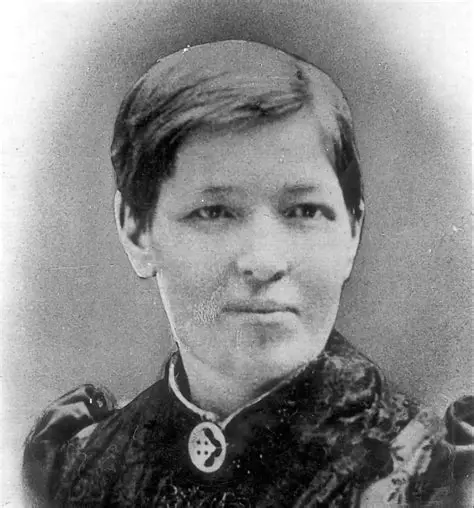
Mary Slessor was a Scottish Presbyterian missionary who spent nearly four decades working in southeastern Nigeria. She became known for her work in Calabar, Okoyong and surrounding communities, where she taught, cared for children and helped settle disputes. Her efforts to protect twins from infanticide and improve the treatment of women made her a significant figure in Nigeria’s colonial-era history.
Slessor’s life also reflected the complex relationship between missionary activity, local traditions and British colonial expansion. She earned the trust of many community leaders by learning local languages and living among the people she served. Although her work brought lasting changes, understanding her legacy requires examining both her humanitarian contributions and the colonial setting in which she operated.
Early Life and Education
Mary Mitchell Slessor was born on December 2, 1848, in Gilcomston, near Aberdeen, Scotland. Her father, Robert Slessor, worked as a shoemaker, while her mother, Mary, worked in the textile industry. The family later moved to Dundee in search of better opportunities.
Slessor grew up in difficult circumstances. Her father struggled with alcoholism, and financial hardship affected the family. At about eleven, she moved with her family to Dundee, where she later began working in a textile mill to help support them.
Despite these challenges, she remained active in her local church. She attended Sunday school and eventually taught Bible classes to children. She also developed an interest in missionary work after learning about David Livingstone and other missionaries in Africa.
In 1875, Slessor applied to the United Presbyterian Church’s Foreign Mission Board. After training in Edinburgh, she travelled to West Africa in 1876. Her destination was Calabar, a mission centre in what is now southeastern Nigeria.
Arrival in Calabar
Slessor arrived in Calabar in September 1876. The region had long-standing trading connections with the Atlantic world and had experienced major social changes linked to the slave trade. Christian missions had established a presence there, but their influence remained uneven outside coastal settlements.
She initially worked at mission stations around Duke Town and neighbouring communities. Her duties included teaching, evangelism and caring for people who needed assistance. She also learned Efik, the language widely used in the Calabar area for communication and trade.
Learning the language helped her build relationships with local people. Rather than depending entirely on interpreters, she could speak directly with residents and understand aspects of their daily lives. Her practical manner and willingness to live outside the relative security of the mission station distinguished her from many European missionaries of the period.
Slessor returned to Scotland for a period in 1879 because of ill health. She went back to Calabar in 1880 and continued her work in communities farther inland. Over time, she became increasingly determined to establish a mission beyond the coastal settlements.
Work in Okoyong
In 1888, Slessor moved to Ekenge in Okoyong, an area north of Calabar where earlier missionary efforts had encountered resistance. She lived among local communities and developed relationships with influential leaders, including Chief Edem and his sister, Ma Eme.
Her work involved much more than preaching. She cared for children, treated minor illnesses, helped resolve disputes and negotiated between individuals and community authorities. Her knowledge of local languages and customs helped her participate in matters that missionaries often found difficult to understand.
In 1892, she became vice-consul for the Okoyong area under the British administration. The appointment reflected her growing influence as an intermediary between local communities and colonial officials. She also became involved in the native court system, where she helped settle disputes and address cases involving violence and unfair treatment.
Slessor’s approach relied heavily on personal relationships. She often sought agreement through discussion rather than force. However, her role also placed her within the expanding British colonial administration, which increasingly sought to extend its authority over the region.
Protecting Twins and Supporting Women
Slessor became particularly associated with efforts to protect twins. In some communities, certain beliefs linked the birth of twins with spiritual danger. Families sometimes abandoned newborn twins or exposed them to death because of these fears.
Slessor rescued abandoned children and brought them into her care. She adopted many children, including twins, and encouraged others to protect them. Her mission house became a refuge for infants who might otherwise have died.
Her efforts contributed to changing attitudes in communities where she worked. Yet the transformation did not depend on Slessor alone. Local people, including parents and community leaders, made decisions that helped alter practices over time. Her work gained support because she built relationships with people who could influence their communities.
She also advocated better treatment for women. She intervened in disputes involving domestic abuse and challenged practices she considered unjust. Her involvement in local courts gave her opportunities to support women in situations where they had limited power.
Slessor’s work should be understood within its historical context. Her Christian beliefs shaped her views on local customs, and she sometimes judged African practices through the assumptions of her own culture. Even so, her willingness to live among local people and respond to individual needs helped her gain considerable respect.
Education and Community Development
Slessor supported education and practical training as part of her mission work. She contributed to efforts associated with the Hope Waddell Training Institution in Calabar, which provided vocational instruction and prepared students for employment.
The institution reflected a broader shift in missionary activity. In addition to religious teaching, missions increasingly offered practical education that could help people gain skills for work in a changing economy. Such training became an important part of the development of formal education in colonial-era southeastern Nigeria.
Slessor also encouraged children to attend school and supported families facing hardship. Her work combined teaching, childcare, informal medical assistance and community mediation. These activities helped establish her reputation beyond the immediate circle of Christian converts.
Later Years and Death
As she grew older, Slessor continued working in southeastern Nigeria despite recurring illness. She spent time around Enyong Creek and other communities beyond Okoyong, where she continued her missionary and mediation work.
Years of exposure to tropical diseases and difficult living conditions weakened her health. She died on January 13, 1915, at Use Ikot Oku, near Calabar, aged 66. Her death prompted widespread mourning among people in the communities where she had worked.
She was buried in Calabar. Her grave and the accounts of her life later became important parts of the region’s historical memory. In Scotland, her story also became widely known through biographies and church histories.
Historical Legacy
Mary Slessor remains one of the best-known Scottish missionaries associated with Nigeria. Her work in Calabar and Okoyong brought her into close contact with local communities during a period of significant political and social change. She is remembered especially for protecting abandoned twins, supporting children and helping resolve disputes.
Her legacy is not without complexity. Slessor worked within a missionary movement closely connected to European ideas about religion and social change. She also served in roles linked to British colonial administration. Her story therefore reflects both individual humanitarian commitment and the unequal power relations of the colonial period.
The communities of southeastern Nigeria shaped her work as much as she influenced their lives. Local leaders negotiated with her, families accepted or rejected her assistance, and residents made their own choices about changing social practices. Recognising this local agency gives a fuller account of the history than portraying Slessor as the sole force behind social change.
Her life remains significant to the history of Calabar, Okoyong and missionary education in Nigeria. It also offers an opportunity to examine how religious conviction, cultural contact and colonial authority interacted in the late nineteenth and early twentieth centuries.
Frequently Asked Questions
Who was Mary Slessor?
Mary Slessor was a Scottish Presbyterian missionary who worked in southeastern Nigeria from 1876 until her death in 1915. She became known for her work with children, women and local communities.
When did Mary Slessor arrive in Nigeria?
She arrived in Calabar in September 1876 to begin missionary work with the United Presbyterian Church.
What was Mary Slessor known for in Nigeria?
She was especially known for rescuing abandoned twins, caring for children, learning Efik and helping settle disputes in Calabar and Okoyong.
When did Mary Slessor die?
She died on January 13, 1915, near Calabar, Nigeria, at the age of 66.
Was Mary Slessor involved in colonial administration?
Yes. She served as vice-consul in Okoyong from 1892 and took part in local dispute settlement. Her work therefore intersected with the expansion of British colonial authority in southeastern Nigeria.