|
Getting your Trinity Audio player ready... |
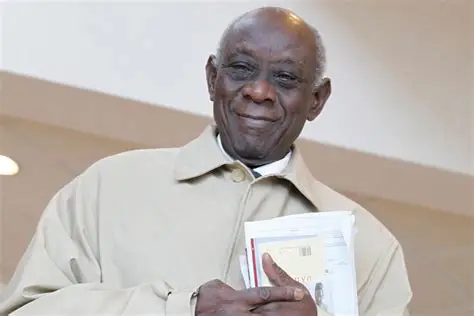
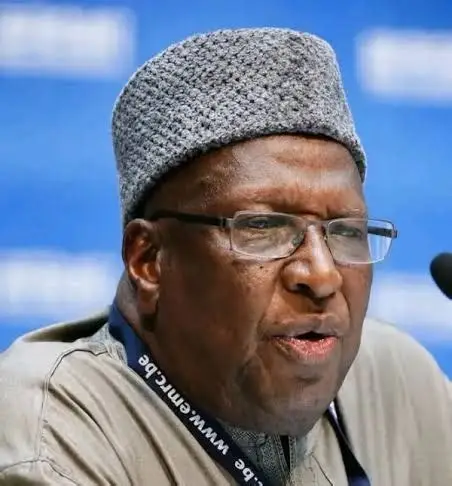
Bamanga Tukur was a Nigerian politician, businessman and public administrator whose career spanned more than five decades. He held leadership positions in the Nigerian Ports Authority, governed the former Gongola State and served as Minister of Industries. He also became National Chairman of the Peoples Democratic Party (PDP) and promoted economic cooperation across Africa.
Tukur built a public career that connected government administration, private enterprise and continental business development. His influence reached Nigeria’s maritime industry, party politics and efforts to strengthen African trade. He died on September 12, 2026, at the age of 90.
Early Life and Education
Bamanga Muhammad Tukur was born on September 15, 1935, in Adamawa, northeastern Nigeria. He belonged to a generation whose careers developed alongside major political changes in Nigeria, from colonial rule to independence and the return to civilian government.
He pursued further education in the United States and earned a master’s degree from the University of Pittsburgh. His academic background supported a career that combined administration, business and public service.
Tukur later received an honorary Doctor of Laws degree from Benue State University. He also became a Fellow of the Nigerian Institute of Transport Technology in Zaria, reflecting his connection to the country’s transport and maritime sectors.
Career at the Nigerian Ports Authority
Tukur rose to national prominence through his work at the Nigerian Ports Authority (NPA). He became its General Manager and Chief Executive in 1975 and held the position until 1982.
His tenure coincided with serious congestion at Nigerian ports. The country’s import activities had placed enormous pressure on port facilities, creating delays and logistical difficulties. Nigeria needed better infrastructure and more efficient cargo handling to support international trade.
During this period, government efforts expanded port infrastructure to ease congestion and improve shipping operations. Tukur’s leadership placed him at the centre of an important phase in the development of Nigeria’s maritime sector.
He also developed international connections through professional organisations in port management. He became the first African vice-president of the International Association of Ports and Harbours. These roles strengthened his profile in the global maritime industry.
Governor of Gongola State
After leaving the Nigerian Ports Authority in 1982, Tukur entered frontline politics. He contested the governorship of Gongola State under the National Party of Nigeria (NPN) and won the 1983 election.
He became governor on October 1, 1983. His administration, however, lasted only about three months. The military coup of December 31, 1983, ended the Second Republic and removed civilian governments across Nigeria.
Gongola State later became part of the territories that formed Adamawa and Taraba states. Tukur’s brief tenure placed him among the political leaders of Nigeria’s Second Republic, although the military takeover prevented him from completing a full term.
Business Career and Federal Ministerial Appointment
Following the end of his governorship, Tukur expanded his activities in the private sector. He established BHI Holdings, also known as the DADDO Group of Companies. The business developed interests in manufacturing, agriculture, logistics and trading.
His experience in public administration and international commerce helped him build connections within Nigeria’s business community. He also became involved in initiatives that sought to attract investment and expand private-sector participation in African development.
Tukur returned to government in the 1990s. General Sani Abacha appointed him Minister of Industries, a position he held from 1993 to 1995. His responsibilities placed him within the Federal Executive Council during a period of military rule and economic uncertainty.
In 1992, before his ministerial appointment, he had also contested for the presidential ticket of the National Republican Convention. He did not secure the nomination, but the contest demonstrated his interest in national leadership beyond state politics.
African Business Cooperation and NEPAD
Tukur’s activities extended beyond Nigeria. He became a leading figure in the African Business Roundtable, serving as its president and later as a life patron. The organisation promoted private-sector participation in African economic development.
He also chaired the NEPAD Business Group. The New Partnership for Africa’s Development, known as NEPAD, sought to encourage investment, economic growth and cooperation among African countries.
Through these positions, Tukur advocated stronger intra-African trade and greater collaboration between governments and businesses. He supported efforts to attract investment, develop infrastructure and create opportunities for African enterprises.
His continental work reflected his belief that African countries needed stronger economic partnerships. He viewed business cooperation as an important part of the continent’s development and its ability to compete internationally.
Leadership of the Peoples Democratic Party
After Nigeria returned to civilian rule in 1999, Tukur became active in the Peoples Democratic Party. He joined its Board of Trustees and built relationships within the party’s national leadership.
On March 24, 2012, party delegates elected him National Chairman. His appointment came when the PDP controlled the federal government and held power in many states. However, internal disagreements were already creating pressure within the party.
Tukur sought to strengthen the authority of the national leadership and promote greater discipline. His approach brought him into conflict with influential governors and other party figures who opposed aspects of his leadership.
The disagreements deepened in 2013 when a group of governors and lawmakers formed a breakaway faction known as the New PDP. The dispute weakened party unity and became one of the major political developments of the period.
Tukur resigned as national chairman in January 2014. His departure ended a turbulent period in the party’s leadership, but he remained an influential figure in Nigerian public life.
Later Public Roles and Recognition
After leaving the PDP chairmanship, Tukur continued to hold public responsibilities. Former President Goodluck Jonathan appointed him Ambassador-at-Large in 2014. He also served as Chairman of the Board of Directors of the Nigerian Railway Corporation.
He received the national honour of Commander of the Order of the Niger (CON). He also held the traditional title of Tafidan Adamawa and the title of Wakilin Ganye.
These honours reflected his long involvement in public administration, business and community affairs. His career connected several important institutions in Nigeria and across Africa.
Death and Legacy
Bamanga Tukur died on September 12, 2026, at his residence in Abuja. He was 90 and died three days before his 91st birthday. His remains were buried in Yola, Adamawa State, following Islamic rites.
His career left a mark on several areas of Nigerian public life. At the Nigerian Ports Authority, he led the institution during a major period of maritime development. As Gongola State governor, he became part of the political history of Nigeria’s Second Republic.
His business activities and continental leadership also contributed to discussions about investment and African economic cooperation. His time as PDP national chairman placed him at the centre of important party disputes during the Jonathan administration.
Tukur’s legacy is therefore linked to a long career across public service, business and politics. His influence reached beyond elected office to institutions that shaped Nigeria’s transport industry and its engagement with African economic development.
Frequently Asked Questions
Who was Bamanga Tukur?
Bamanga Tukur was a Nigerian politician, businessman and administrator. He served as Governor of Gongola State, Minister of Industries and National Chairman of the PDP.
When was Bamanga Tukur born and when did he die?
He was born on September 15, 1935, and died on September 12, 2026, at the age of 90.
Which state did Bamanga Tukur govern?
He governed the former Gongola State in northeastern Nigeria. The territory later became part of present-day Adamawa and Taraba states.
When was Bamanga Tukur PDP National Chairman?
He served as National Chairman of the Peoples Democratic Party from March 2012 until his resignation in January 2014.
What businesses did Bamanga Tukur establish?
He founded BHI Holdings, also known as the DADDO Group of Companies. Its business interests included manufacturing, agriculture, logistics and trading.
What was Bamanga Tukur’s contribution to African business?
He led the African Business Roundtable and chaired the NEPAD Business Group. Through these organisations, he promoted investment, private-sector development and economic cooperation across Africa.