|
Getting your Trinity Audio player ready... |
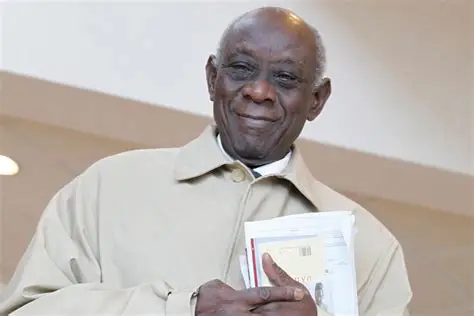
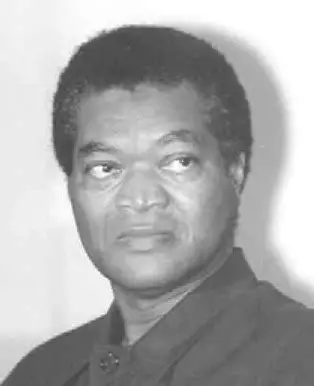
Professor Olikoye Ransome-Kuti was a Nigerian paediatrician, public health reformer and politician who transformed the country’s approach to primary healthcare. As federal minister of health from 1985 to 1992, he promoted preventive medicine, childhood immunisation and community-based health services. He also challenged public silence surrounding HIV/AIDS and encouraged Nigerians to confront the epidemic through education and awareness.
Ransome-Kuti combined medical expertise with public service and social activism. His reforms placed greater emphasis on preventing illness rather than relying primarily on hospital treatment. His influence continues to shape discussions about maternal and child healthcare, health policy and equitable access to medical services in Nigeria.
Early Life and Education
Olikoye Ransome-Kuti was born on December 30, 1927, in Ijebu-Ode, southwestern Nigeria. He grew up in a family known for education, public service and social activism. His father, Reverend Israel Oludotun Ransome-Kuti, was a prominent educator, while his mother, Funmilayo Ransome-Kuti, became a leading campaigner for women’s rights and political reform.
His siblings also made significant contributions to Nigerian society. His younger brothers included Fela Anikulapo-Kuti, the influential Afrobeat musician, and Beko Ransome-Kuti, a physician and human rights activist. Growing up in this environment exposed Olikoye to public debate, community service and the importance of challenging social injustice.
He attended Abeokuta Grammar School before entering the University of Ibadan. He later travelled to Ireland to study medicine at Trinity College Dublin, graduating in 1954. He subsequently received specialist training in paediatrics in London, including experience at Great Ormond Street Hospital, and developed the expertise that would guide his career in child health.
Medical Career and Academic Achievements
After completing his medical training, Ransome-Kuti returned to Nigeria and worked in clinical practice. He later joined the College of Medicine at the University of Lagos, where he taught paediatrics and trained medical students. He rose through the academic ranks to become a professor and head of the Department of Paediatrics.
His work with children helped him recognise the limits of hospital-centred healthcare. Many illnesses that brought children to hospitals resulted from preventable conditions, inadequate nutrition, unsafe water and limited access to basic medical services. He believed healthcare professionals needed to address these problems within communities, not only treat their consequences in hospitals.
This conviction shaped his work in maternal and child health. He supported community-based programmes that connected medical education with preventive services. He also helped establish the Society for Family Health in Nigeria in 1983, alongside other Nigerian professionals, to promote family planning and better child health practices.
Ransome-Kuti became a leading advocate of primary healthcare, which emphasises accessible essential services, prevention, community participation and early treatment. His medical philosophy placed particular importance on ensuring that poor and underserved families could obtain basic healthcare without travelling long distances or facing prohibitive costs.
Olikoye Ransome-Kuti’s Health Reforms
In 1985, military president Ibrahim Babangida appointed Ransome-Kuti federal minister of health. He held the position until 1992, making him one of Nigeria’s longest-serving health ministers since independence. During his tenure, he pursued reforms that shifted national attention towards primary healthcare and disease prevention.
His administration introduced Nigeria’s first comprehensive National Health Policy in 1988, placing primary healthcare at the centre of health planning. The policy encouraged federal, state and local authorities to expand essential services and improve access to care across the country.
Ransome-Kuti promoted childhood immunisation, breastfeeding, oral rehydration therapy and better maternal health services. He also encouraged health workers to educate families about preventing common childhood illnesses. His approach sought to reduce avoidable deaths by equipping communities with practical knowledge and accessible medical support.
His reforms helped expand primary healthcare programmes across local government areas. Immunisation campaigns reached more children, while community-based services strengthened the delivery of essential care. Although Nigeria continued to face serious funding, staffing and implementation challenges, his tenure established primary healthcare as a central national policy objective.
HIV/AIDS Awareness and Public Health Advocacy
Ransome-Kuti also played an important role in Nigeria’s early response to HIV/AIDS. In the 1980s, misinformation and stigma made it difficult to discuss the disease openly. Some people dismissed the epidemic or believed it did not threaten Nigerians.
As health minister, he supported public education about HIV/AIDS and stressed the importance of confronting the disease with medical evidence. In 1986, his ministry announced Nigeria’s first officially recognised AIDS case, involving a 14-year-old girl. The announcement brought greater public attention to the emerging epidemic.
His commitment to awareness became particularly visible after his brother, Fela Anikulapo-Kuti, died in 1997 from AIDS-related complications. Olikoye publicly identified AIDS as the cause, despite the stigma surrounding the disease. He believed that the death of a prominent musician could help Nigerians understand the seriousness of the epidemic and encourage more open discussion.
His approach challenged the silence that often surrounded HIV/AIDS. He promoted education and public awareness at a time when fear and misinformation discouraged people from seeking information or treatment.
Activism, Awards and International Work
Ransome-Kuti’s commitment to public service extended beyond government. He advocated accountability, professional integrity and policies that placed public welfare above private interests. His family background and relationships with prominent activists reinforced his involvement in debates about social justice and the responsibilities of public institutions.
After leaving the health ministry in 1992, he continued working on health policy and international development. He served as deputy director-general of the World Health Organization and contributed to discussions about healthcare systems in developing countries. His international work allowed him to promote primary healthcare beyond Nigeria.
His contributions earned several professional honours. In 1986, the World Health Organization awarded him the Léon Bernard Foundation Prize for his work in social medicine. He also received recognition from medical and public health institutions for advancing healthcare access and preventive medicine.
These honours reflected his influence as both a clinician and a health policy reformer. He consistently argued that governments should treat healthcare as an essential public responsibility rather than a service available mainly to those who could afford it.
Death and Lasting Legacy
Olikoye Ransome-Kuti died in London on June 1, 2003, while attending a World Health Organization conference. He was 75 years old. His death brought renewed attention to the medical and public health reforms he had championed throughout his career.
His legacy remains closely connected to primary healthcare, childhood immunisation, maternal health and public education about HIV/AIDS. He helped move Nigerian health policy towards prevention and community-level services, challenging a system that often concentrated resources in major hospitals.
His work did not eliminate Nigeria’s healthcare challenges, but it established important principles for future reforms. His emphasis on accessible care, public accountability and evidence-based health education continues to inform debates about how governments can improve health outcomes.
Conclusion
Olikoye Ransome-Kuti was a pioneering Nigerian paediatrician whose influence extended from hospitals and universities to national government and international health organisations. As health minister, he promoted primary healthcare, preventive medicine and stronger maternal and child health services. His early advocacy on HIV/AIDS also helped challenge public misinformation and stigma. His career remains an important chapter in Nigeria’s medical history and the development of modern public health policy.
Frequently Asked Questions
Who was Olikoye Ransome-Kuti?
Olikoye Ransome-Kuti was a Nigerian paediatrician, professor, public health reformer and former federal minister of health known for advancing primary healthcare.
When was Olikoye Ransome-Kuti born?
He was born on December 30, 1927, in Ijebu-Ode, present-day Ogun State, Nigeria.
What were Olikoye Ransome-Kuti’s major health reforms?
He promoted primary healthcare, childhood immunisation, preventive medicine, breastfeeding, oral rehydration therapy and improved maternal and child health services.
How did Olikoye Ransome-Kuti contribute to HIV/AIDS awareness?
As health minister, he supported public education about HIV/AIDS. After Fela Anikulapo-Kuti died from AIDS-related complications, he publicly confirmed the cause to help challenge stigma and misinformation.
When did Olikoye Ransome-Kuti die?
He died in London on June 1, 2003, at the age of 75.