|
Getting your Trinity Audio player ready... |
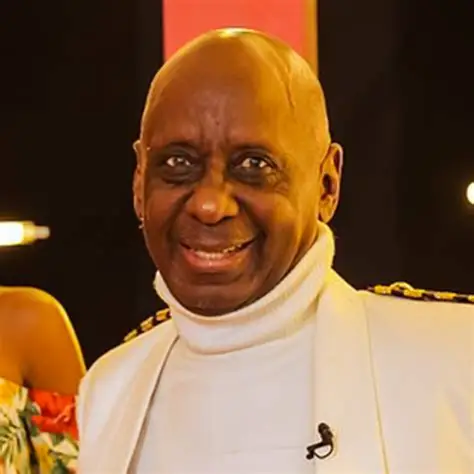
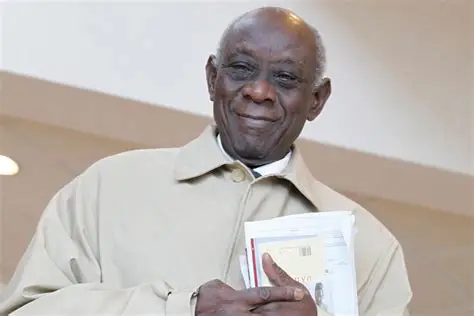
Professor Idowu Akanbi Sobowale was a Nigerian journalist, communication scholar and education administrator whose work helped shape modern journalism in the country. He championed precision journalism, introduced systematic opinion polling to Nigerian newspaper reporting and trained generations of journalists and communication scholars. His career connected newsroom practice with university teaching, research and public service.
Sobowale died on 8 October 2026 at the age of 85. He left a lasting mark on the University of Lagos, Lagos State University and Nigeria’s wider media community. His professional journey also showed how research and evidence can strengthen journalism and public debate.
Early Life and Education
Idowu Akanbi Sobowale was born in 1941 in Ashipa, near Abeokuta in present-day Ogun State, Nigeria. He grew up in a rural environment and spent his early years helping with farming and other practical work. Unlike many children who entered formal education at an early age, Sobowale did not begin school until his early teens.
His late start did not prevent him from pursuing an academic career. He attended Lagos Baptist Academy for his secondary education and developed the foundation for his later work in journalism. His educational journey reflected determination and a strong interest in learning.
After secondary school, Sobowale joined the Daily Times Training School in Lagos. The programme prepared aspiring journalists for professional newsroom work. His progress attracted attention, and he moved into practical journalism before completing the conventional university route taken by many academics.
He later studied Mass Communication at the University of Lagos, earning a diploma and a bachelor’s degree with honours. These qualifications helped him combine professional experience with formal study of communication and media practice.
In 1976, Sobowale travelled to the United States for further education at Syracuse University. He returned to Nigeria in 1978 with a doctorate specialising in precision, or scientific, journalism. This training became central to his later contribution to Nigerian media.
Journalism Career at Daily Times
Sobowale began his professional journalism career at Daily Times, one of Nigeria’s influential newspapers during the post-independence era. Babatunde Jose, the newspaper’s prominent managing director, played a role in opening the door to his career. Sobowale worked as a reporter and war correspondent before advancing to editorial responsibilities.
His years at the newspaper gave him practical experience in reporting, news judgment and newsroom management. He worked during a period when Nigerian journalism was developing alongside major political changes, including military rule and debates about national unity and governance.
Sobowale understood that good journalism required more than gathering statements and reporting events. Journalists also needed methods for testing claims, examining public attitudes and presenting evidence. This belief shaped his later work in precision journalism and opinion research.
He left Daily Times in 1975 to join the University of Lagos as an assistant lecturer. Although he moved into academia, he continued to connect research with practical journalism. His work would later bring these two fields together through a project at The Punch newspaper.
Precision Journalism and Opinion Polling
One of Sobowale’s most important contributions was his effort to introduce precision journalism into Nigerian media practice. Precision journalism applies systematic research methods, data analysis and social-science techniques to reporting. It enables journalists to investigate public attitudes and social trends with evidence rather than relying only on anecdotes or personal impressions.
After completing his doctorate at Syracuse University, Sobowale established a public opinion polling desk at The Punch. The newspaper published results from its early polling work in April 1979, ahead of Nigeria’s return to civilian rule. The initiative helped establish opinion polling as a tool for Nigerian journalism.
Public opinion polls can help journalists understand how people view elections, government policies and national issues. They can also provide a more structured picture of public attitudes than individual interviews alone. Their value depends on sound sampling, careful question design and transparent interpretation, principles that align with Sobowale’s emphasis on scientific research.
His work was especially significant because opinion polling was not yet a routine feature of Nigerian newspaper reporting. By connecting academic methods with newsroom practice, he helped expand the range of tools available to journalists.
Sobowale also explored the wider value of polling in national development. In his 2005 inaugural lecture at Lagos State University, he addressed the role of opinion polling in Nigeria’s development. His work encouraged journalists, researchers and policymakers to treat public attitudes as information worth studying systematically.
Academic Career at the University of Lagos
In 1975, Sobowale joined the University of Lagos as an assistant lecturer in its Institute of Mass Communication. He later held senior academic responsibilities, including serving twice as acting head of the Department of Mass Communication.
At the university, he taught communication research and helped students understand the methods behind responsible reporting. His teaching linked journalism theory with the practical skills needed to collect, evaluate and communicate information.
Sobowale also helped build a stronger relationship between professional journalism and university education. His experience at Daily Times gave him insight into newsroom demands, while his academic training equipped him to examine journalism through research. This combination made his teaching relevant to both students and working media professionals.
His influence extended beyond individual classes. He mentored students and younger scholars who went on to occupy positions across journalism, communication research and media administration. Through teaching and supervision, he helped strengthen the academic foundations of Nigerian mass communication.
Contributions to Lagos State University and Other Institutions
Sobowale contributed to the development of Lagos State University, established in 1983. He became a professor of Communication Studies at the institution and helped advance its communication education programmes.
From 2004 to 2007, he served as the pioneer dean of LASU’s School of Communication, known as the Adebola Adegunwa School of Communication. During his tenure, he helped develop the school’s academic direction and strengthen its role in professional and postgraduate communication education.
He later served as dean at Olabisi Onabanjo University in Ago-Iwoye, Ogun State, where he helped develop postgraduate programmes in mass communication. He also served at Caleb University in Imota, Lagos State. These roles extended his influence across several generations of communication students and academics.
His work at different institutions reflected a sustained commitment to building communication education in Nigeria. Rather than limiting his contribution to research and publications, he helped establish programmes, guide academic development and prepare others to carry the discipline forward.
Public Service in Lagos State
Sobowale’s career also included public administration. He served as special adviser on education to Lateef Jakande, the former governor of Lagos State, whose administration placed considerable emphasis on expanding access to education.
He later became Lagos State commissioner for education under Bola Tinubu, serving from 1999 to 2003. His appointment brought his academic and educational experience into government during Nigeria’s early years of renewed civilian rule.
As commissioner, he worked within a state administration responsible for managing educational policy and institutions. His public service reflected his broader interest in education as a foundation for social and national development.
The move from journalism and academia into government illustrated the range of his professional experience. Sobowale had worked in a newsroom, taught research methods, led academic programmes and participated in public administration.
Awards and Recognition
Sobowale received the national honour of Officer of the Order of the Niger (OON) in recognition of his contributions to national development. The honour recognised a career that crossed journalism, higher education and government.
He also received the Diamond Awards for Media Excellence’s Lifetime Achievement Award in 2014. The recognition reflected his long-standing commitment to journalism and media development.
Within the academic community, colleagues remembered him for his scholarship, mentorship and role in developing communication education. He served as chairman of the Board of Trustees of the Association of Communication Scholars and Professionals of Nigeria, an organisation that brings together people working in communication research and practice.
The association established the biennial Idowu Sobowale International Conference in recognition of his contribution to the discipline. The conference provides a continuing platform for discussion and research in communication and media studies.
Death and Legacy
Idowu Sobowale died on 8 October 2026, aged 85. His death marked the loss of a prominent figure in Nigerian journalism and communication education.
His legacy rests on three closely connected areas. He helped introduce opinion polling and precision journalism into Nigerian newspaper practice. He strengthened communication education through teaching, academic leadership and programme development. He also brought his experience to public service as Lagos State commissioner for education.
Sobowale’s career demonstrated the value of combining professional experience with academic research. His work encouraged journalists to examine evidence systematically and helped universities prepare students for the demands of modern media practice.
His influence continues through the scholars he trained, the institutions he served and the polling methods he helped introduce. Nigerian journalism still faces questions about accuracy, public trust and the quality of information in political debate. Sobowale’s emphasis on evidence-based reporting remains relevant to those challenges.
Conclusion
Professor Idowu Sobowale was a pioneer in Nigerian journalism, communication research and media education. From his early career at Daily Times to his academic work at the University of Lagos and Lagos State University, he helped connect newsroom practice with scientific inquiry.
His introduction of opinion polling at The Punch, his work in university education and his service as Lagos State commissioner for education formed the central pillars of his public life. He leaves a legacy of scholarship, mentorship and a stronger foundation for evidence-based journalism in Nigeria.
Frequently Asked Questions
Who was Idowu Sobowale?
Idowu Sobowale was a Nigerian journalist, professor of communication studies and former Lagos State commissioner for education. He was known for advancing precision journalism and public opinion polling.
When did Idowu Sobowale die?
He died on 8 October 2026 at the age of 85.
What was Idowu Sobowale known for in journalism?
He helped introduce scientific opinion polling to Nigerian newspaper journalism by establishing a public opinion polling desk at The Punch. He also promoted precision journalism, which uses systematic research and data to support reporting.
Where did Idowu Sobowale study?
He studied Mass Communication at the University of Lagos and earned a doctorate in precision or scientific journalism from Syracuse University in the United States in 1978.
What roles did Idowu Sobowale hold at universities?
He taught at the University of Lagos, became a professor at Lagos State University and served as the pioneer dean of LASU’s School of Communication from 2004 to 2007. He also held academic leadership roles at Olabisi Onabanjo University and Caleb University.
Was Idowu Sobowale involved in government?
Yes. He served as special adviser on education to Lagos State governor Lateef Jakande and later as commissioner for education under Bola Tinubu from 1999 to 2003.