|
Getting your Trinity Audio player ready... |
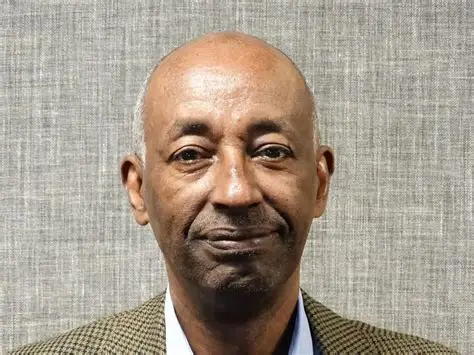
Professor Fantu Cheru was an Ethiopian-born African intellectual, political economist, development scholar, professor and international policy adviser whose work shaped debates about Africa’s development, globalization, structural adjustment and economic sovereignty. Born in rural Ethiopia in 1949, he rose from humble beginnings to become Professor of African and Development Studies at American University in Washington, DC, Research Director of the Nordic Africa Institute and a senior researcher at leading African studies institutions in Europe. He also served as the United Nations Special Rapporteur on Foreign Debt and Structural Adjustment and advised international institutions and governments on development policy.
Cheru died in Stockholm on May 31, 2026. At the time of his death, he was remembered by African scholars and institutions as one of the leading thinkers on African political economy and development. His intellectual legacy rested on a consistent concern with human welfare, African agency and the limitations of development policies imposed without sufficient attention to local realities.
Early Life and Family Background
Fantu Cheru was born in Ethiopia in 1949. Accounts of his early life describe a childhood in rural Ethiopia in which he at one point worked as a shepherd while continuing his education. His later rise to international academic prominence was therefore far removed from the privileged background often associated with elite academic careers.
His early experiences appear to have influenced the perspective he later brought to development studies. Cheru remained deeply concerned with the realities experienced by ordinary Africans, particularly people affected by poverty, unequal access to resources and economic policies designed without sufficient consideration of their social consequences.
Although he eventually became a US citizen, he maintained a strong intellectual and personal connection with Ethiopia and the wider African continent throughout his career. Colleagues noted that he continued to engage with Ethiopian affairs and was consulted by people in government and policy circles.
Education and Formative Years
Cheru received his early schooling in Ethiopia before travelling to the United States for higher education. He attended Colorado College, where he earned a Bachelor of Arts degree in Political Science in 1975. Subsequently, he continued his studies at Portland State University, earning a master’s degree in Political Science in 1978.
He completed his doctoral studies at Portland State University in 1983, earning a PhD in Political Economy and Urban Planning. His academic training gave him an interdisciplinary foundation that became characteristic of his later work.
Cheru did not approach development solely as an economic problem. His research connected political structures, urbanisation, international trade, agriculture, governance, social welfare and the global economy. This broad approach eventually made him an influential voice in debates about how African countries could pursue development on their own terms.
Academic Career
After completing his doctorate, Cheru began an academic career that would last for decades. In 1984, he joined American University in Washington, DC, where he eventually became Professor of African and Development Studies. He remained at the university until 2007.
His teaching and research covered African political economy, international development, development management, globalisation, trade, regional integration, agriculture, rural development, urbanisation and conflict. He also examined democracy, social transformation and the relationship between Africa and the wider international economic system.
Cheru’s classroom work was accompanied by extensive field research. His experience in more than 20 African countries allowed him to connect academic theory with conditions on the ground. He was particularly interested in the gap between official economic indicators and the lived experiences of African communities.
Research and Intellectual Contributions
Cheru became known for questioning development approaches that placed excessive emphasis on economic growth while overlooking human welfare and social inequality.
His scholarship examined how international economic institutions, trade policies, foreign investment, debt and structural adjustment affected African countries. He argued for approaches that recognised the political and social dimensions of economic development rather than treating development as a purely technical exercise.
His work covered both longstanding development challenges and emerging changes in the global economy. As China, India and other emerging powers became increasingly involved in Africa, Cheru examined the implications for African states and societies.
Among his major publications was African Renaissance: Roadmaps to the Challenge of Globalization, which examined the opportunities and difficulties facing African countries in an increasingly interconnected global economy. He also co-edited The Rise of China and India in Africa: Challenges, Opportunities and Critical Interventions with Cyril Obi.
Work on Structural Adjustment and African Development
Structural adjustment became one of the central subjects of Cheru’s intellectual career. During the 1980s and 1990s, many African countries adopted economic reforms associated with international financial institutions. These policies frequently involved reductions in public spending, market reforms, currency adjustments and changes to state involvement in the economy.
Cheru examined the social and human consequences of these reforms. His work challenged approaches that evaluated economic reform primarily through financial indicators without adequately considering poverty, employment, health, education and social protection.
This concern eventually informed his work for the United Nations. He became an important international voice on the relationship between foreign debt, economic policy and human rights.
His later work continued this theme. One of his final major contributions was a 2025 update to his earlier United Nations work on the effects of structural adjustment policies on the full enjoyment of human rights.
United Nations and International Policy Work
Cheru’s expertise eventually took him beyond universities and research institutions into international policy.
From 1998 to 2001, he served as the United Nations Special Rapporteur on Foreign Debt and Structural Adjustment for the UN Commission on Human Rights in Geneva. In that role, he examined the consequences of debt and economic reform programmes and promoted the integration of human rights considerations into macroeconomic and trade policies.
His international work included missions to African and Latin American countries. He also contributed proposals concerning debt relief, social investment and post-conflict reconstruction.
Cheru later served on United Nations Secretary-General Kofi Annan’s panel on mobilising international support for the New Partnership for Africa’s Development, known as NEPAD. The assignment placed him among international experts working to mobilise resources and political support for an African-led development framework.
He also convened the Global Economic Agenda Track of the Helsinki Process on Globalisation and Democracy, a joint initiative involving Finland and Tanzania.
Leadership at the Nordic Africa Institute
In 2007, Cheru left American University and moved to Sweden, where he became Research Director of the Nordic Africa Institute in Uppsala. He held the position until 2012.
His leadership at the institute came during a period of significant change in Africa’s relationship with the global economy. China, India and other emerging powers were expanding their commercial and political engagement with African countries.
Cheru helped broaden research on these developments and strengthened the institute’s role in analysing Africa’s place in global affairs. Colleagues later credited him with helping reorganise research, knowledge production and publications at the institute while developing policy ideas for African development.
He also became an important bridge between African scholars and institutions in Africa and the Nordic countries.
Scholarship on Africa’s Changing Global Economy
After leaving the Nordic Africa Institute, Cheru continued his research through several international institutions. He became a senior researcher at the African Studies Centre Leiden and a Distinguished Research Associate at the North-South Institute in Ottawa. He was also an Associate Senior Fellow at the Stockholm International Peace Research Institute.
His research interests expanded to include natural resource governance, mining, South-South cooperation, agriculture and food security. He also examined African urbanisation, regional integration, conflict, peacebuilding and democratic transformation.
His approach remained consistent. He sought to understand Africa’s development within the wider global political economy while maintaining a strong focus on African agency.
His work on Chinese, Indian and Brazilian investments in African agriculture and food security was particularly relevant to debates about the continent’s changing economic partnerships. Rather than treating emerging powers simply as new investors, Cheru examined the opportunities and risks associated with these relationships.
Work on Ethiopia
Despite developing an international career, Cheru maintained a strong connection with Ethiopia.
He published research on Ethiopia and later co-edited The Oxford Handbook of the Ethiopian Economy, published in 2019. The volume brought together research on major dimensions of Ethiopia’s economy and became an important reference work on the country’s development.
Cheru also contributed to Ethiopian higher education. He served as an adjunct professor at Bahir Dar University and the University of Gondar and contributed to the development of doctoral programmes at both institutions.
His work also included advising Ethiopian policy circles. During his later career, he contributed to discussions surrounding urban development and the country’s wider economic transformation.
Personal Life and Family
Cheru married Annika and had two children, Malkolm and Makeda. His family remained an important part of his life as his professional career took him across several countries and continents.
Colleagues remembered him not only for his intellectual achievements but also for his generosity and mentorship. He supported younger African researchers and became involved in initiatives designed to strengthen research capacity across the continent.
His colleagues frequently described him as intellectually direct but personally warm, with a strong commitment to fairness and human dignity. His professional relationships extended across Africa, Europe and North America.
Later Years and Death
Cheru continued writing, teaching and advising into his later years. Even after his formal academic appointments had ended, he remained active in research and policy discussions.
He served as a senior researcher at the African Studies Centre Leiden from 2015 to 2019 and maintained research affiliations with international institutions. He also remained involved in African development debates and continued publishing on global political economy and human rights.
Fantu Cheru died in Stockholm, Sweden, on May 31, 2026. He was born in 1949 and was therefore approximately 77 years old. His death was followed by tributes from African academic and policy institutions, including the African Studies Centre Leiden and CODESRIA.
A funeral and memorial service was held in Stockholm on June 29, 2026, bringing together family members, friends and colleagues from different parts of the world.
Legacy and Historical Significance
Fantu Cheru’s legacy lies in his determination to place African development within its political, historical and human context.
He belonged to a generation of African scholars who challenged the idea that development could be understood simply through economic growth figures. His work repeatedly returned to questions of inequality, sovereignty, human rights, global economic power and the capacity of African societies to determine their own development priorities.
His career also demonstrated the importance of connecting scholarship with policy. He moved comfortably between universities, research institutes, international organisations and government advisory roles. This allowed his ideas to reach audiences beyond academia.
His work on structural adjustment was especially influential because it challenged the assumption that economic reform should be evaluated only through financial and macroeconomic outcomes. By emphasising the human consequences of debt and adjustment policies, he helped bring social welfare and human rights more firmly into development debates.
His leadership at the Nordic Africa Institute further strengthened African research within international policy discussions. His later work on China, India, natural resources, food security and globalisation demonstrated his ability to adapt his scholarship to changes in the international system.
Historical Significance
Perhaps his most lasting contribution was his commitment to African intellectual agency. Cheru did not reject international engagement, but he insisted that Africa’s development should be shaped by African priorities and informed by the experiences of the people most affected by economic policy.
His influence also survives through the scholars he taught and mentored. He contributed to doctoral training, research institutions and academic networks across Africa and helped younger researchers approach development questions with greater independence and intellectual confidence.
Fantu Cheru’s life therefore represents more than the career of a distinguished professor. It demonstrates how an African scholar could move from rural Ethiopia into global intellectual and policy circles while retaining a sustained commitment to the continent’s development and dignity.
Read More: Haile Selassie Biography: Early Life, Reign, Family, Death and Legacy
Frequently Asked Questions
Who was Fantu Cheru?
Fantu Cheru was an Ethiopian-born African intellectual, political economist, development scholar, professor and international policy adviser. He was widely recognised for his work on African development and global political economy.
When was Fantu Cheru born?
Fantu Cheru was born in Ethiopia in 1949.
When did Fantu Cheru die?
Fantu Cheru died on May 31, 2026, in Stockholm, Sweden.
What was Fantu Cheru famous for?
He was known for his scholarship on African development, structural adjustment, foreign debt, globalization, international trade, natural resources and the political economy of Africa.
Where did Fantu Cheru teach?
He was Professor of African and Development Studies at American University in Washington, DC, from 1984 to 2007. He also held academic and research appointments at institutions in Europe and Ethiopia.
What did Fantu Cheru do at the United Nations?
He served as the UN Special Rapporteur on Foreign Debt and Structural Adjustment from 1998 to 2001 and later served on an advisory panel connected with Kofi Annan’s efforts to mobilise international support for NEPAD.
What books did Fantu Cheru write or edit?
His publications included African Renaissance: Roadmaps to the Challenge of Globalization, The Rise of China and India in Africa, Agricultural Development and Food Security in Africa, and The Oxford Handbook of the Ethiopian Economy.
What was Fantu Cheru’s contribution to African development studies?
He challenged development approaches that placed economic indicators above human welfare and promoted research focused on African agency, social justice, human rights and sustainable development.
Was Fantu Cheru involved with the Nordic Africa Institute?
Yes. He served as Research Director of the Nordic Africa Institute in Uppsala, Sweden, from 2007 to 2012.
What is Fantu Cheru remembered for?
He is remembered as a major African development scholar, political economist, international policy adviser, teacher and mentor who spent his career examining how Africa could achieve more equitable and self-directed development.
Conclusion
Fantu Cheru’s life was a remarkable journey from rural Ethiopia to the centre of international debates about African development. As a professor, researcher, UN expert, policy adviser and mentor, he challenged conventional approaches to economic development and consistently placed African agency and human welfare at the heart of his work. His scholarship, institutional leadership and commitment to younger African researchers created an intellectual legacy that will continue to influence debates about development, globalization, economic justice and Africa’s place in the world.