|
Getting your Trinity Audio player ready... |
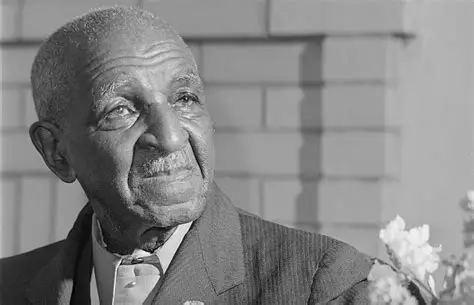
Laminah Sankoh (1884–1954), born Ethelred Nathaniel Jones, was a Sierra Leonean political writer, educator, clergyman and nationalist who campaigned for political equality and national unity during the colonial period. He challenged racial discrimination, promoted cooperation between Sierra Leone’s Colony and Protectorate, and encouraged ordinary citizens to understand and participate in public affairs.
Sankoh founded the People’s Party in 1948, one of the political organisations that contributed to the formation of the Sierra Leone People’s Party (SLPP) in 1951. He also established The African Vanguard, a newspaper through which he promoted political education and national integration. His work made him an important figure in Sierra Leone’s early nationalist movement.
Early Life and Education
Ethelred Nathaniel Jones was born on June 28, 1884, in Gloucester, a community in the mountainous district of Freetown, Sierra Leone. His father, Edward Jones, was a merchant involved in the export of groundnuts from Gambia to England. His mother’s name was Ransolina.
He received his early education at a village school before attending the Cathedral School, Albert Academy and the Church Missionary Society Grammar School. He subsequently entered Fourah Bay College, where he earned a Bachelor of Arts degree.
His father wanted him to study medicine in England, but Jones chose a different path. He became interested in religious ministry and education, believing that these fields offered opportunities to serve and improve his community.
He proceeded to Wycliffe College in Oxford, England, where he studied theology and philosophy. His experience in Britain exposed him to racial discrimination, including prejudice within the Anglican Church. These encounters influenced his religious outlook and strengthened his opposition to racial inequality.
Adoption of the Name Laminah Sankoh
During his time in Britain, Jones experienced discrimination when he sought admission to the Anglican ministry. An Anglican bishop reportedly rejected his application for ordination because he was Black.
The experience deeply affected him. From the 1920s, he increasingly used the name Laminah Sankoh alongside his European names. The name reflected his identification with African culture and his solidarity with the people of Sierra Leone’s Protectorate.
His decision also carried political significance. Sierra Leone’s colonial society was divided between the Colony, which included Freetown and its Creole population, and the Protectorate, which contained the larger indigenous population. Sankoh believed these communities belonged to one country and should share political rights.
Religious Ministry and Educational Work
Sankoh returned to Sierra Leone in 1924 and continued his religious career. He was ordained as a priest and appointed curate of Holy Trinity Church in Freetown, a position he held until 1927.
His sermons often questioned established religious and social attitudes. He wanted Christianity in Africa to reflect African experiences rather than depend entirely on European traditions. His views sometimes brought him into conflict with church authorities.
Alongside his religious responsibilities, he lectured at Fourah Bay College, including in logic. He later became involved in adult education and public instruction.
Sankoh believed education should prepare people to understand their rights and responsibilities. He therefore supported programmes that helped ordinary citizens engage with political and economic issues.
International Experience and Political Thought
Sankoh’s activities extended beyond Sierra Leone. He spent periods in the United States, where he taught at institutions serving African American communities, including Tuskegee. His experiences exposed him to discussions about racial equality, education and economic development.
He later returned to Britain and became involved with the West African Students’ Union (WASU). He contributed to its journal and eventually served as its editor.
Through these international connections, he encountered political ideas about self-government, racial justice and African advancement. He also studied cooperative movements in Manchester. This experience influenced his belief that economic organisation could help ordinary people become more independent.
His political thinking increasingly focused on the relationship between economic opportunity and democratic participation. He believed communities needed practical institutions that could improve their financial security while preparing them for greater responsibility in public life.
Return to Sierra Leone and Community Development
Sankoh returned to Sierra Leone in the early 1940s and became active in civic and political affairs. He worked towards improving relations between the Colony and Protectorate, arguing that colonial divisions should not prevent the development of a united country.
He participated in the reconstruction of the Freetown City Council and was elected councillor for the Central Ward in 1948. He also served as president of the Freetown Adult Education Committee and taught cooperative studies through Fourah Bay College’s Extra-Mural Department.
His interest in economic reform led him to establish the Sierra Leone Aro Cooperative Society. The organisation encouraged members to cooperate in improving their economic circumstances. He also introduced a small savings initiative known as the Penny Bank, which encouraged supporters to save modest amounts of money.
These projects reflected his belief that political freedom required economic organisation and practical opportunities for ordinary citizens.
Founding of the People’s Party
In 1948, Sankoh founded the People’s Party, a political organisation that advocated national unity and greater political participation. It emerged during a period of growing disagreement between the Colony and Protectorate over political representation and the future constitutional structure of Sierra Leone.
Sankoh opposed efforts to preserve the political dominance of the Colony’s established elite. He argued that the country’s communities should work together rather than defend separate political privileges.
His position differed from that of some Creole political leaders who resisted constitutional changes that increased the Protectorate’s representation in the Legislative Council.
In 1951, the People’s Party joined the Sierra Leone Organisation Society in a political merger that helped create the Sierra Leone People’s Party. Sankoh supported the new organisation and transferred ownership of his newspaper, The African Vanguard, to it.
He contested the 1951 Legislative Council election as an SLPP candidate representing Freetown but lost. Despite the defeat, his ideas continued to influence discussions about national unity and political representation.
The African Vanguard and Political Writing
Sankoh recognised that newspapers could educate citizens and shape political debate. In 1948, he established The African Vanguard with the assistance of lawyer C. D. Hotobah-During.
The newspaper became a platform for discussing colonial politics, national integration and the rights of Sierra Leoneans. Sankoh edited it until a few months before his death.
He also wrote pamphlets and political works that explained his ideas about public participation and the relationship between the Colony and Protectorate. One of his best-known publications was The Two Ps, or Politics for the People, published in 1952.
In the work, he addressed the divisions threatening national unity. He encouraged people from both the Colony and Protectorate to recognise their shared future and resist political attitudes based on ancestry or social status.
His writing combined political argument with a strong belief in national cooperation. He wanted citizens to judge one another by their humanity and contribution to society rather than by their origins.
Death
Laminah Sankoh died in 1954 in Sierra Leone. He spent his final years facing financial difficulties after losing much of his property in efforts to keep The African Vanguard operating.
His death came before Sierra Leone achieved independence in 1961. He therefore did not witness the completion of the political process towards which much of his public work had been directed.
Legacy
Laminah Sankoh remains an important figure in Sierra Leone’s history of political organisation, education and nationalism. His campaign for unity between the Colony and Protectorate challenged divisions that shaped colonial politics.
His contribution to the formation of the political movement that became the SLPP also connects him to the development of organised party politics in Sierra Leone. Although he did not live to see independence, his arguments about shared citizenship and national cooperation influenced the country’s political debate.
Sankoh also left a legacy in education and journalism. Through adult education programmes, cooperative initiatives and The African Vanguard, he sought to give ordinary citizens the knowledge and institutions needed to participate in public life.
His career demonstrated that the struggle for political freedom involved more than constitutional change. It also required education, economic opportunity, social cooperation and a sense of common national identity.
Conclusion
Laminah Sankoh was a Sierra Leonean nationalist whose work brought together education, religious reform, journalism and political activism. As the founder of the People’s Party and The African Vanguard, he helped advance discussions about national unity and political representation. His commitment to cooperation between the Colony and Protectorate secured his place among the early figures who shaped Sierra Leone’s nationalist movement.
Frequently Asked Questions
Who was Laminah Sankoh?
Laminah Sankoh was a Sierra Leonean political writer, educator, clergyman and nationalist. He was born Ethelred Nathaniel Jones and became known for advocating national unity and political equality.
When was Laminah Sankoh born?
He was born on June 28, 1884, in Gloucester, near Freetown, Sierra Leone.
What was Laminah Sankoh’s original name?
His birth name was Ethelred Nathaniel Jones. He began using the African name Laminah Sankoh from the 1920s.
What political party did Laminah Sankoh found?
He founded the People’s Party in 1948. The organisation later merged with the Sierra Leone Organisation Society in 1951 to help form the Sierra Leone People’s Party.
What newspaper did Laminah Sankoh establish?
He founded The African Vanguard in Freetown in 1948. The newspaper covered political affairs and promoted national unity.
When did Laminah Sankoh die?
He died in 1954, several years before Sierra Leone gained independence in 1961.