|
Getting your Trinity Audio player ready... |
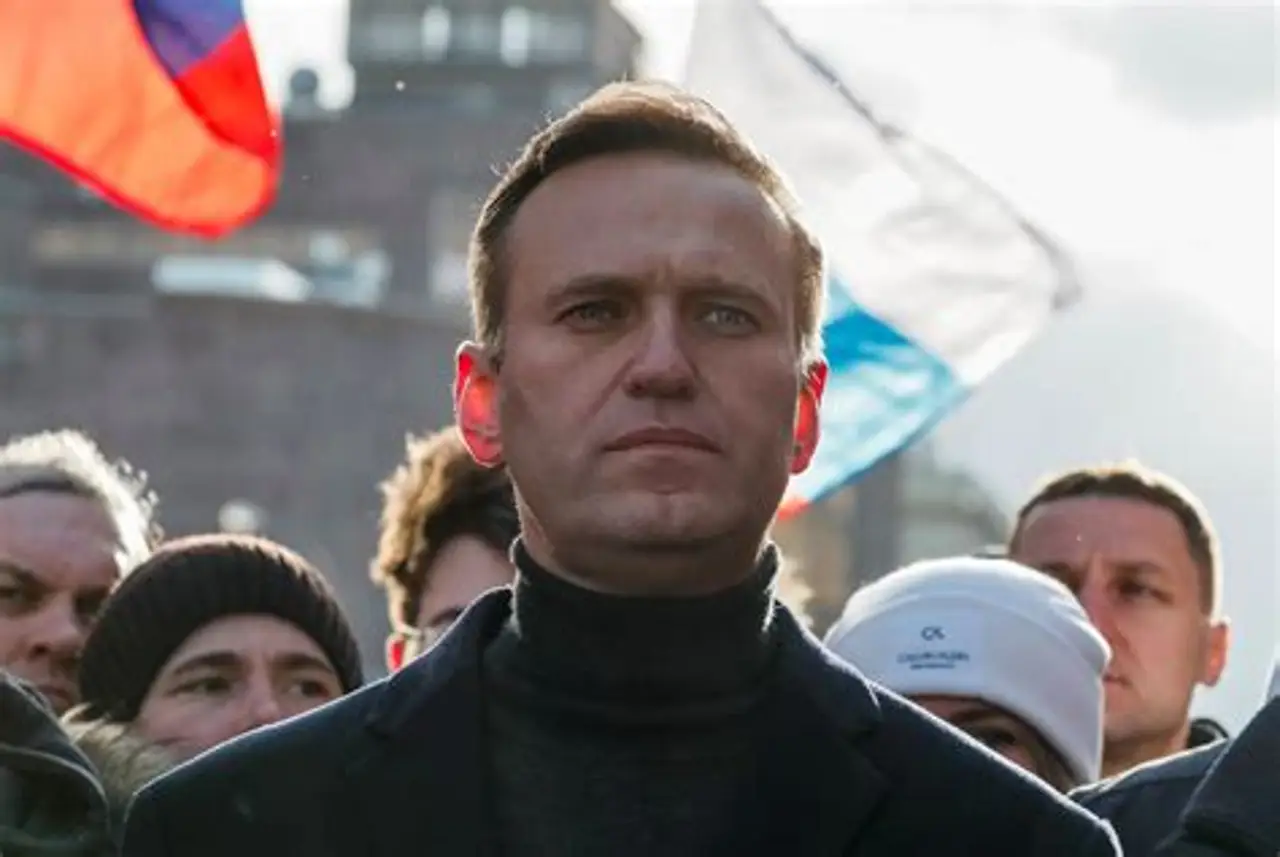
Alexei Navalny was a Russian opposition politician, anti-corruption campaigner and lawyer who became one of the most prominent critics of President Vladimir Putin. He built a large following through investigations into alleged corruption among powerful officials and campaigns challenging Russia’s ruling political establishment. His activism brought repeated arrests, criminal prosecutions and a poisoning that required treatment abroad.
Navalny’s decision to return to Russia in 2021, despite the risk of imprisonment, became a defining moment in his political career. He died in a Russian Arctic penal colony on February 16, 2024, aged 47. His work and death continue to influence discussions about political opposition, state accountability and human rights in Russia.
Early Life and Education
Alexei Anatolyevich Navalny was born on June 4, 1976, in the Soviet Union. He grew up during a period of major political and economic change that culminated in the dissolution of the Soviet Union in 1991.
Navalny studied law at the Peoples’ Friendship University of Russia in Moscow and later pursued further studies in finance and economics. His legal training helped prepare him for work involving corporate governance, public accountability and political campaigning.
He initially became involved in Russian politics through opposition movements and anti-corruption efforts. His early political activities also included participation in Russian nationalist circles. Some of his statements on immigration and nationalism later drew criticism from liberal activists and other observers.
Rise as an Anti-Corruption Activist
Navalny gained national attention by examining the finances and business practices of major Russian companies with state connections. He acquired shares in some companies and used shareholder rights, public records and online investigations to question how executives managed their organisations.
He increasingly focused on alleged corruption among senior government figures. His investigations presented documents, property records and other material to support claims about undisclosed wealth and the misuse of public resources. Online videos helped his work reach audiences beyond traditional political networks.
In 2011, he established the Anti-Corruption Foundation, which became a central part of his political activity. He also helped organise demonstrations against alleged electoral fraud and government corruption. Authorities repeatedly detained him as his campaigns attracted growing attention.
Navalny ran for mayor of Moscow in 2013 and finished second, winning approximately 27 per cent of the vote. The result demonstrated his ability to attract support in the capital despite the political obstacles facing opposition candidates.
Legal Cases and Political Restrictions
Russian authorities prosecuted Navalny in several criminal cases, including proceedings connected to the Kirovles timber company and the French cosmetics firm Yves Rocher. Navalny and his supporters described the cases as politically motivated. European human rights rulings identified serious fair-trial concerns in aspects of the Kirovles proceedings, while Russian officials defended the legal actions.
In 2017, Navalny announced plans to challenge Putin in the 2018 presidential election. A conviction prevented him from registering as a candidate. He responded by promoting a nationwide campaign encouraging voters to oppose candidates from the ruling United Russia party through strategic voting.
His political organisation faced further restrictions. Russian authorities later designated the Anti-Corruption Foundation and associated organisations as extremist, forcing supporters to reconsider their activities and exposing staff and volunteers to legal risks.
Poisoning and Return to Russia
In August 2020, Navalny became seriously ill during a flight in Russia. He was transferred to Germany for treatment, where laboratories identified evidence of poisoning with a Novichok nerve agent. Navalny accused the Russian state of involvement, an allegation Russian authorities denied.
After recovering, he returned to Russia on January 17, 2021. Police arrested him shortly after his arrival, citing a suspended sentence connected to the Yves Rocher case. His imprisonment prompted protests and international criticism.
Russian courts subsequently imposed additional sentences. In 2023, Navalny received a 19-year sentence in an extremism-related case. His supporters and numerous international observers considered the prosecutions part of a wider campaign to suppress political opposition. Russian authorities maintained that the cases involved criminal conduct.
Imprisonment and Death
Navalny spent his final years in custody, facing isolation and restrictions on communication. In late 2023, authorities transferred him to the IK-3 penal colony in the Arctic settlement of Kharp, commonly known as the Polar Wolf colony.
On February 16, 2024, Russia’s prison service announced that Navalny had died after losing consciousness at the facility. He was 47. His family, supporters and political allies questioned the circumstances surrounding his death and demanded accountability.
In February 2026, Britain, France, Germany, Sweden and the Netherlands announced that laboratory tests on samples from Navalny’s body had detected epibatidine, a highly toxic substance associated with certain South American poison dart frogs. The governments said their findings supported the conclusion that he had been poisoned and accused Russia of responsibility. The Kremlin rejected the accusations, while Russian authorities had previously attributed his death to natural causes.
These competing claims remain central to the international dispute over Navalny’s death. The five countries’ announcement intensified demands for a transparent investigation, while Russian officials denied the allegations.
Family and Personal Life
Navalny married Yulia Navalnaya in 2000. They had two children, Daria and Zakhar. His family remained a visible part of his public story, particularly during his imprisonment and the campaign to secure his release.
Yulia Navalnaya continued to speak publicly after his death, calling for accountability and carrying forward parts of his political work. Navalny’s family and supporters have also worked to preserve his investigations and political message.
Legacy
Alexei Navalny left a complex and consequential legacy in Russian politics. His investigations helped bring allegations of elite corruption to large audiences, while his online campaigns introduced political activism to many younger Russians. His presidential ambitions never succeeded, but his work challenged the dominance of the ruling political system.
His record also included controversial nationalist positions from his earlier political career, which remained a point of debate among observers. Understanding his legacy requires acknowledging both his anti-corruption activism and the disputes surrounding his political views.
Navalny’s death in prison became an international symbol of the risks faced by Russian opposition figures. His investigations continue to circulate, and his supporters remain active despite legal restrictions and political divisions. His life illustrates the pressures confronting organised opposition in Russia and the continuing struggle over political freedom and government accountability.
Frequently Asked Questions
Who was Alexei Navalny?
Alexei Navalny was a Russian lawyer, opposition politician and anti-corruption activist known for investigations into alleged corruption among powerful officials.
When did Alexei Navalny die?
Navalny died on February 16, 2024, at the Polar Wolf penal colony in Russia’s Arctic region. He was 47.
Why was Alexei Navalny imprisoned?
Russian courts convicted Navalny in several criminal cases. He and his supporters argued that the prosecutions were politically motivated, while Russian authorities maintained that the cases were legitimate.
What was the Anti-Corruption Foundation?
The Anti-Corruption Foundation was an organisation Navalny established to investigate alleged corruption involving Russian officials and powerful business figures.
What was reported about Navalny’s death in 2026?
Five European governments announced in February 2026 that laboratory tests detected epibatidine in samples from Navalny’s body. They accused Russia of responsibility, an allegation the Kremlin rejected.