|
Getting your Trinity Audio player ready... |
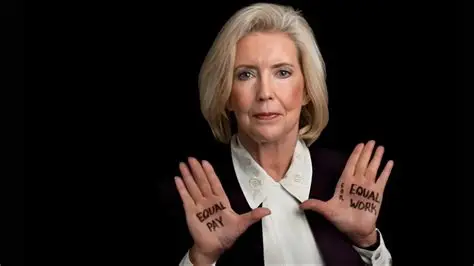
Lilly Ledbetter was an American workers’ rights activist whose fight against gender-based pay discrimination helped change United States employment law. After working for nearly two decades at Goodyear Tire & Rubber Company, she discovered that male colleagues in comparable management positions earned substantially more than she did. Her legal battle reached the US Supreme Court and inspired the Lilly Ledbetter Fair Pay Act of 2009.
Ledbetter never received the financial compensation she originally sought from Goodyear. However, her determination brought national attention to hidden pay disparities and the legal barriers facing employees who discover discrimination years after it begins.
Early Life and Education
Lilly Lynn McDaniel was born in April 1938 in Alabama, United States. She grew up in Jacksonville, where her father worked as a mechanic and her mother managed the family home. As a young girl, Ledbetter also helped on her grandfather’s cotton farm.
She attended Jacksonville High School and graduated in 1956. That year, she married Charles Ledbetter, with whom she raised two children. Before joining Goodyear, she worked as a manager at H&R Block and held a financial aid position at Jacksonville State University.
Career at Goodyear
Ledbetter joined Goodyear Tire & Rubber Company in Gadsden, Alabama, in 1979. She eventually became an area manager at the plant, working in a male-dominated environment. Although she received performance awards and continued to pursue advancement, she also experienced workplace discrimination and sexual harassment.
In 1998, an anonymous note in her workplace mailbox revealed that several male managers earned considerably more than she did. Ledbetter discovered that her monthly salary was substantially lower despite her responsibilities and experience. The revelation prompted her to file a complaint with the Equal Employment Opportunity Commission, the federal agency responsible for enforcing workplace discrimination laws.
She retired later that year, before her planned retirement date. In 1999, she filed a lawsuit alleging sex discrimination in her pay and performance evaluations.
The Supreme Court Case
A federal jury initially ruled in Ledbetter’s favour in 2003 and awarded her millions of dollars in damages. The award was later reduced under legal limits, and Goodyear appealed the decision.
In 2007, the US Supreme Court ruled 5–4 in Ledbetter v. Goodyear Tire & Rubber Co. in favour of the company. The majority concluded that Ledbetter had filed her Title VII pay discrimination claim outside the applicable 180-day period after the initial discriminatory pay decision.
The ruling left Ledbetter without the compensation awarded by the jury. However, it also triggered a national debate about how employees could challenge discrimination when they did not know their colleagues’ salaries or discover unequal pay until years later.
Justice Ruth Bader Ginsburg wrote a dissenting opinion that called attention to the difficulty of identifying pay discrimination. She urged Congress to address the problem through legislation.
The Lilly Ledbetter Fair Pay Act of 2009
Ledbetter continued campaigning after the Supreme Court ruling. She spoke publicly about her experience and became a prominent advocate for equal pay and workplace fairness. Her testimony and public appearances helped build support for changing the law.
On January 29, 2009, President Barack Obama signed the Lilly Ledbetter Fair Pay Act. It was the first bill he signed as president. The law clarified that each discriminatory paycheck can trigger a new filing period for claims under specified federal anti-discrimination laws.
The legislation did not reverse the Supreme Court’s ruling in Ledbetter’s own case or award her the money she had lost. Instead, it changed the legal framework for other workers who face similar discrimination. Her name became closely associated with the continuing effort to make equal-pay protections more effective.
Later Advocacy and Recognition
Ledbetter remained active in the fight for workplace equality after the law passed. She spoke at public events, supported further pay-equity legislation and encouraged workers to challenge unfair treatment. She also advocated for stronger protections against retaliation when employees discuss or investigate salary differences.
In 2011, the National Women’s Hall of Fame inducted her in recognition of her contribution to women’s equality. The following year, she published her memoir, Grace and Grit: My Fight for Equal Pay and Fairness at Goodyear and Beyond. The book described her experience at Goodyear and the personal cost of pursuing a lengthy legal battle.
Ledbetter’s story also reached audiences beyond legal and political circles. Her case became an example in discussions about workplace discrimination, employment law and the limits of legal remedies when unequal pay remains hidden for years.
Death and Legacy
Lilly Ledbetter died in Alabama in October 2024 at the age of 86. Her death prompted tributes from political leaders and equal-pay advocates who recognised the lasting effect of her campaign.
Her legacy extends beyond the law that bears her name. Ledbetter helped expose the difficulties workers face when they cannot easily discover how their compensation compares with that of colleagues. Her experience also demonstrated how an individual legal defeat can lead to wider legislative change.
The Lilly Ledbetter Fair Pay Act remains a defining part of her legacy. Although it did not eliminate the gender pay gap, it strengthened an important mechanism for challenging discriminatory compensation. Ledbetter’s story continues to shape discussions about fair wages, transparency and equal treatment at work.
Frequently Asked Questions
Who was Lilly Ledbetter?
Lilly Ledbetter was an American equal-pay activist whose legal battle against Goodyear Tire & Rubber Company inspired federal legislation addressing pay discrimination.
What is the Lilly Ledbetter Fair Pay Act?
The Lilly Ledbetter Fair Pay Act of 2009 changed how filing deadlines apply to certain workplace discrimination claims involving compensation. It was signed into law by President Barack Obama on January 29, 2009.
Did Lilly Ledbetter win her Supreme Court case?
No. The Supreme Court ruled against her in 2007. Her case nevertheless helped build support for legislation that changed how certain pay discrimination claims are handled.
When did Lilly Ledbetter die?
Ledbetter died in October 2024, aged 86.