|
Getting your Trinity Audio player ready... |
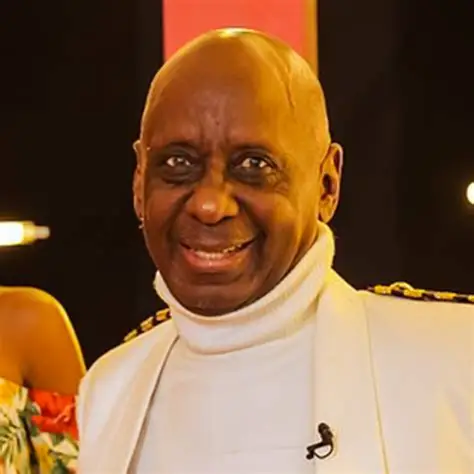
Patrick Dele-Cole was a Nigerian journalist, historian, diplomat and politician whose career shaped important parts of the country’s media and public life. He became widely known as the managing director of the Daily Times, where he helped strengthen editorial independence and encouraged intellectual debate in Nigerian journalism. His experience also extended to academic research, government service and international diplomacy.
Born in 1940, Dele-Cole lived through several defining periods in Nigeria’s history, including independence, military rule and the return to civilian government. He died in London on October 17, 2026, at the age of 86. His legacy rests on his contributions to journalism, historical scholarship and public service.
Early Life and Education
Patrick Dele-Cole was born on August 4, 1940, in Abonnema, in the Kalabari Kingdom of present-day Rivers State, Nigeria. His early education took him through several schools before he pursued higher studies abroad. These experiences helped prepare him for a career that combined historical research, administration and public affairs.
He attended St Bartholomew’s School in Enugu from 1946 to 1953. He later studied at Baptist High School in Port Harcourt and Ibadan Grammar School, completing his secondary education in 1960.
In 1962, Dele-Cole left Nigeria on a federal government scholarship to study history at the University of Otago in New Zealand. He graduated with first-class honours in 1965. He then continued his studies at the University of Cambridge in England, where he earned advanced qualifications in history and later completed a doctorate in 1973.
His academic career also included a visiting professorship at the University of Pennsylvania and a fellowship at King’s College, Cambridge. His training gave him a strong foundation for examining Nigeria’s political institutions and historical development.
Patrick Dele-Cole’s Career at the Daily Times
After returning to Nigeria, Dele-Cole joined the federal civil service. He worked as an administrative officer in the Political Department of the Cabinet Office in Lagos from 1973 to 1976. His experience in government brought him into contact with important political and administrative developments.
In 1975, the government appointed him a non-executive director of the Daily Times following its acquisition of a controlling stake in the newspaper group. He became the newspaper’s managing director in 1976, taking up the position during a period of tension between the press and military authorities.
Dele-Cole’s appointment placed him at the centre of a major institution in Nigerian journalism. Rather than simply use the newspaper to serve government interests, he defended its editorial independence and supported journalists’ ability to report on public affairs.
He also strengthened the newspaper’s editorial board by attracting intellectuals and experienced writers. Among the prominent journalists associated with this environment were Stanley Macebuh and Dele Giwa. Their work helped reinforce the relationship between scholarship, critical thinking and professional journalism.
His approach contributed to the Daily Times‘s reputation as an influential national newspaper. He believed that journalists needed room to question authority and that newspapers should contribute to public debate rather than merely repeat official positions.
Work with The Guardian and Public Commentary
Dele-Cole later became closely associated with The Guardian, one of Nigeria’s major newspapers. He joined the publication’s wider intellectual and editorial community and maintained a long relationship with its leadership.
He advised the newspaper’s founder, Alex Ibru, and contributed to discussions about its editorial direction. His experience at the Daily Times helped inform his views on newsroom management, editorial standards and the importance of independent journalism.
His contribution extended beyond administrative advice. Dele-Cole encouraged an intellectually serious approach to newspaper publishing, one that connected current affairs with history, political analysis and public accountability.
He also remained active as a commentator on Nigerian affairs. His writings addressed governance, corruption, federalism, economic development, international relations and the responsibilities of political leaders. He continued contributing to public debate in his later years, including through newspaper columns and editorial discussions.
Political Career and Diplomatic Service
Dele-Cole’s career also included direct participation in Nigerian politics. In the early 1990s, he became involved with the Social Democratic Party (SDP) and sought the presidency. The military government of General Ibrahim Babangida later cancelled the initial presidential primary process in 1992, disrupting the political transition.
He subsequently joined the People’s Democratic Party (PDP) during its formation in the late 1990s. From 1998 to 1999, he served as the party’s deputy national chairman for the South-South zone. His political activities reflected his continuing interest in Nigeria’s constitutional development and democratic institutions.
Dele-Cole also represented Nigeria in diplomatic assignments. He served as Nigeria’s ambassador to Brazil and Argentina from 1987 to 1990, building on his experience in government and international affairs. His public service also included participation in international forums and work connected with Nigeria’s relations with other countries.
Between 1999 and 2001, he served as special adviser to President Olusegun Obasanjo on international relations. The appointment drew on his understanding of diplomacy, political institutions and Nigeria’s position in global affairs.
Books and Historical Contributions
Dele-Cole used his academic training to examine Nigerian society and political history. His publications explored the relationships between traditional authority, social elites and modern political institutions.
One of his notable works was Modern and Traditional Elites in the Politics of Lagos, published in 1975. The book examined the role of influential groups in Lagos politics and the interaction between traditional structures and modern political life.
He also contributed to historical writing through Nigeria Since Independence: The First 25 Years: Politics and Constitutions, published in 1989. His scholarship reflected a sustained interest in the institutions and political choices that shaped the Nigerian state after independence.
His work as a historian complemented his journalism. Both fields required him to examine public institutions, question established narratives and explain how political decisions affected society.
Death and Legacy
Patrick Dele-Cole died in London on October 17, 2026, aged 86. His death marked the end of a career that spanned journalism, scholarship, government administration, politics and diplomacy.
His legacy remains closely linked to the Daily Times and The Guardian, two important institutions in Nigeria’s media history. Through his leadership, editorial guidance and professional relationships, he helped create space for intellectuals and journalists to contribute to national debate.
He also left a record of public service that extended beyond the newsroom. His diplomatic assignments, political involvement and historical writing reflected a broad engagement with Nigeria’s development.
Dele-Cole’s life demonstrates how journalism, scholarship and public administration can intersect. His contributions to the press and his continued participation in public discussion remain important parts of his place in Nigeria’s modern history.
Conclusion
Patrick Dele-Cole was more than a newspaper executive. He was a historian who studied Nigeria’s political development, a diplomat who represented the country abroad and a public intellectual who continued to question its leadership. His work at the Daily Times and The Guardian helped shape debates about press freedom and editorial independence. Through his writing and public service, he left a lasting mark on Nigerian journalism and political life.
Frequently Asked Questions
Who was Patrick Dele-Cole?
Patrick Dele-Cole was a Nigerian journalist, historian, diplomat and politician best known for serving as managing director of the Daily Times.
When was Patrick Dele-Cole born?
He was born on August 4, 1940, in Abonnema, in present-day Rivers State, Nigeria.
What did Patrick Dele-Cole study?
He studied history at the University of Otago in New Zealand and continued his education at the University of Cambridge, where he earned a doctorate in history.
What was Patrick Dele-Cole known for at the Daily Times?
He became managing director in 1976 and supported editorial independence, professional journalism and a stronger intellectual culture within the newspaper.
Was Patrick Dele-Cole a diplomat?
Yes. He served as Nigeria’s ambassador to Brazil and Argentina and later worked as special adviser to President Olusegun Obasanjo on international relations.
When did Patrick Dele-Cole die?
He died in London on October 17, 2026, at the age of 86.